
What if I told you that understanding the mortgage approval process could be the key to unlocking your dream home? First-time buyers often face confusion and anxiety when navigating this crucial journey. But with the right knowledge and tools, you can turn that anxiety into confidence. Here’s what you’ll learn about mastering the mortgage approval process!
What You Will Learn
- The importance of creating a step-by-step checklist to simplify the mortgage approval process.
- Common challenges first-time buyers face, including credit score concerns and document gathering.
- An overview of different mortgage types: FHA, VA, and Conventional Loans, and what suits your needs.
- Essential steps for preparation, like assessing your credit and budgeting for down payments.
The Mortgage Approval Journey: A Step-by-Step Guide for First-Time Home Buyers
Navigating the mortgage approval process can be complex, but breaking it down into clear steps can transform confusion into confidence. This visual guide outlines the essential phases to help first-time buyers achieve homeownership smoothly.
Step 1: Financial Preparation
- ✓ Assess Credit Score & Address Issues
- ✓ Calculate Debt-to-Income Ratio (DTI)
- ✓ Budget for Down Payment & Closing Costs
Step 2: Document Gathering & Pre-Approval
- ✓ Gather Proof of Income & Financial Docs
- ✓ Complete Pre-Approval Process with Lender
- ✓ Review Loan Estimate Carefully
Step 3: Understanding Loan Types
- FHA Loans: Low down payment, for moderate income.
- VA Loans: No down payment, for veterans.
- Conventional Loans: Higher credit, flexible terms.
Step 4: Utilizing Resources
- Interactive Checklists: Organize documents.
- Mortgage Calculators: Estimate payments & interest.
- FAQ Sections: Address common concerns.
Understanding the Mortgage Approval Process for First-Time Buyers
Buying your first home can be an exciting yet overwhelming experience. Understanding the mortgage approval process is essential to easing that anxiety. As a mortgage education specialist, I’ve seen many first-time buyers benefit from a structured approach, which can help transform confusion into confidence!
Having a well-defined process not only streamlines your journey but also helps you stay organized. A step-by-step checklist can keep you on track as you navigate through the various stages of mortgage approval.
Why a Step-by-Step Mortgage Approval Checklist Matters
Creating a detailed checklist is important because it allows you to break down the mortgage approval process into manageable parts. Here’s why it matters:
- It helps you keep track of your progress at every stage.
- You can identify any missing documents or requirements early on.
- It reduces stress by providing a clear roadmap to follow.
Using a checklist makes the process feel less daunting and more achievable. Have you ever felt overwhelmed by the extensive requirements? A checklist helps you take it one step at a time, making it easier to stay focused and organized!
Common Challenges First-Time Buyers Face
First-time buyers often encounter several common challenges that can complicate the mortgage approval process. Recognizing these hurdles can prepare you for what lies ahead:
- A lack of understanding about credit scores and how they affect mortgage rates.
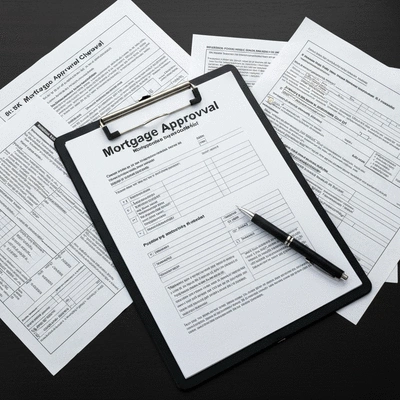
- Difficulty gathering essential financial documents, which the Consumer Financial Protection Bureau highlights as crucial for a loan application packet.
- Confusion regarding different mortgage options and what might suit your needs.
By addressing these challenges proactively, you can set yourself up for success. Remember, knowledge is power, and I’m here to help clarify these concepts for you!
Understanding Different Types of Mortgages: FHA, VA, and Conventional Loans
It's crucial to understand the differences between various mortgage types as they cater to different needs. Here’s a quick overview of three common loan types:
- FHA Loans: Backed by the Federal Housing Administration, these loans are designed for low-to-moderate-income borrowers and often have lower down payment requirements.
- VA Loans: Available for veterans and active-duty service members, VA loans offer favorable terms, including no down payment and competitive interest rates.
- Conventional Loans: Not insured by a government agency, these loans typically require a higher credit score but can offer more flexible terms.
Each mortgage type has its pros and cons, which can significantly impact your home-buying journey. I always recommend assessing your financial situation and long-term goals to make the best choice!
Pro Tip
As you embark on your mortgage approval journey, consider consulting with a mortgage broker. They can provide personalized insights and help you navigate the various loan options available, ensuring you find the best fit for your financial situation. Having an expert by your side can save you time and stress!
Recap of Your Step-by-Step Mortgage Approval Journey
As we wrap up our discussion on the mortgage approval process, it's important to reflect on the steps you’ve taken to prepare for homeownership. This journey can feel overwhelming, especially as a first-time buyer, but having a clear roadmap can make all the difference. Let’s recap the essential steps that will guide you through the process smoothly.
One of the most effective ways to ensure you don't miss any critical components of your journey is by having a checklist. A well-organized checklist helps keep track of necessary documents and requirements, making the process feel less daunting. Here’s a final checklist for you to consider:
Final Checklist for First-Time Home Buyers
- Assess your credit score and address any issues.
- Calculate your debt-to-income ratio (DTI).
- Budget for your down payment and closing costs.
- Gather proof of income and essential financial documents.
- Complete the pre-approval process with a lender.
- Review the loan estimate carefully once provided.
By following this checklist, you'll be better equipped to tackle the mortgage approval process. Remember, each piece of documentation and step you complete brings you one step closer to owning your home!
Taking the Next Steps Towards Homeownership
Once you’ve checked off the items on your list, the next steps become much clearer. Start by connecting with a trusted lender who can help you navigate your options. It’s crucial to ask questions, gather insights, and ensure you understand all of your financing choices. I often tell my clients, “Don’t hesitate to reach out for clarity!” Your financial future depends on making informed choices. The FDIC provides guidance on applying for your first mortgage loan, which can be a helpful resource.
As you move forward, keep in mind that each step brings you closer to the keys of your new home. Whether it’s attending open houses or discussing offers with your agent, stay proactive! Remember, owning a home is not just about the mortgage; it’s about creating a space that reflects who you are.
Resources and Tools to Enhance Your Mortgage Experience
To further support your mortgage journey, I recommend utilizing various resources and tools designed to ease the process. At HomeMortgage-Guide.org, we strive to empower homeowners and first-time buyers with the right tools and information needed to make informed decisions.

Interactive Checklists and Digital Tools for Document Management
Managing your documents can be a breeze with the right digital tools. Use interactive checklists to ensure you have everything organized and accessible. Here are a few tools you might find helpful:
- Document management apps to keep track of financial paperwork.
- Interactive mortgage calculators to estimate monthly payments.
- Online platforms that offer personalized checklist templates.
With these tools, you'll streamline the documentation process, making it easier to gather everything needed for your application!
FAQs on Mortgage Approval for First-Time Buyers
It’s natural to have questions as you navigate the mortgage approval process. Here are some frequently asked questions that might ease your concerns:
- What is the minimum credit score needed for mortgage approval? While there's no universal minimum, conventional loans typically require a score of 620 or higher. FHA loans might allow for lower scores, sometimes down to 580 with a 3.5% down payment, or even lower with a higher down payment. VA loans often don't have a strict minimum credit score, but lenders usually look for at least 620.
- How much should I save for a down payment? The amount varies significantly by loan type. Conventional loans traditionally suggested 20% to avoid private mortgage insurance (PMI), but many now offer options with as little as 3-5% down. FHA loans require a minimum of 3.5%, and VA loans often require no down payment at all.
- What if my mortgage application gets denied? If your application is denied, the lender is required to tell you why. This gives you a chance to address the issues, such as improving your credit score, reducing debt, or saving more for a down payment. Don't get discouraged; use the feedback to strengthen your financial position for a future application.
- How long does the mortgage approval process take? The pre-approval phase can be relatively quick, often completed within a few days. The full approval process, from application to closing, typically takes 30 to 60 days, depending on the complexity of your financial situation and the responsiveness in providing documentation.
- What documents are typically required for mortgage approval? Lenders generally require proof of income (pay stubs, W-2s, tax returns), bank statements to verify assets, identification, and information about existing debts. A comprehensive list can be found in the "Document Gathering & Pre-Approval" section of this guide.
Addressing these questions is crucial to your understanding and confidence as you move forward. If you have more specific inquiries, feel free to reach out to me for personalized guidance!
Utilizing Mortgage Calculators for Financial Planning
Lastly, I can't stress enough the value of mortgage calculators. These tools allow you to simulate different loan scenarios and understand how they impact your finances. Using them can help you:
- Estimate monthly mortgage payments.
- Calculate potential interest paid over the life of the loan.
- Assess how changes in interest rates affect your budget.
By leveraging these calculators, you'll gain clarity on your financial situation, empowering you to make decisions that align with your goals. Remember, knowledge is key when it comes to home financing!
Recap of Key Points
Here is a quick recap of the important points discussed in the article:
- A structured mortgage approval checklist helps streamline the process and reduces stress.
- Common challenges for first-time buyers include understanding credit scores and gathering financial documents.
- Different types of mortgages (FHA, VA, and Conventional) cater to various borrower needs and situations.
- Assessing your credit score and calculating your debt-to-income ratio are essential first steps.
- Utilizing digital tools and interactive checklists can simplify document management during the mortgage process.