
As we delve into the world of mortgages, it's crucial to recognize how historical trends can inform our financial decisions. The last decade has been marked by significant shifts in mortgage rates, each influenced by various economic factors. Understanding these can empower you to make smarter choices in your homeownership journey.
What You Will Learn
- Mortgage rates fluctuated significantly, hitting record lows during the pandemic, creating refinancing opportunities.
- Economic indicators like inflation and Federal Reserve policies play a crucial role in shaping mortgage rates.
- Understanding rate cycles—expansion, recession, and stagnation—can influence your mortgage timing decisions.
- Staying informed about current rates and consulting with mortgage professionals can lead to more beneficial financial outcomes.
Decade of Mortgage Rates: Key Shifts & Drivers
Explore the significant shifts in 30-year fixed mortgage rates from 2013-2023 and the economic factors influencing them, from inflation to Federal Reserve policies.
30-Year Fixed Mortgage Rate History (2013-2023)
- •2013-2016: Average ~4.0% (Rising from lows)
- •2017-2019: Stable 3.5% - 4.5% (Pre-pandemic)
- •2020: Below 3.0% (Pandemic lows)
- •2021-2023: Climbing (Inflation, economic recovery)
Key Drivers of Mortgage Rate Fluctuations
- •Inflation: Rising inflation typically leads to higher interest rates.
- •Federal Reserve Policies: Adjustments to interest rates and monetary policy.
- •Treasury Yields: Mortgage rates often mirror 10-year Treasury yields.
Understanding Historical Mortgage Rate Trends Over the Last Decade
When we look at the past decade, historical mortgage rates reveal fascinating insights into the housing market. From 2013 to 2023, we've seen shifts influenced by economic factors, global events, and changes in consumer behavior. Understanding these trends can help homebuyers and homeowners make informed decisions regarding their mortgage options.
One crucial aspect is recognizing the peaks and valleys in mortgage rates. For instance, you might recall that rates dipped significantly during the pandemic, providing an excellent opportunity for refinancing. Keeping tabs on these changes can empower you as a homeowner or potential buyer to navigate your mortgage journey more effectively.
Decoding Mortgage Rate History: What You Need to Know
Let's break down the mortgage rate history over the last ten years. Here are some critical shifts you should be aware of:
- 2013-2016: Rates began to rise from record lows, with the average rate hovering around 4.0%.
- 2017-2019: A more stable rate environment was observed, with rates fluctuating between 3.5% and 4.5%.
- 2020: The pandemic led to historically low rates, reaching below 3.0%.
- 2021-2023: Rates began to climb again, influenced by inflation fears and economic recovery.
These shifts reflect broader economic conditions. For instance, the drop in rates during 2020 provided many homeowners with a chance to refinance. If you missed that opportunity, don't worry! Understanding where we are now can still lead to advantageous decisions.
Visualizing the Changes: Interactive Charts and Tables
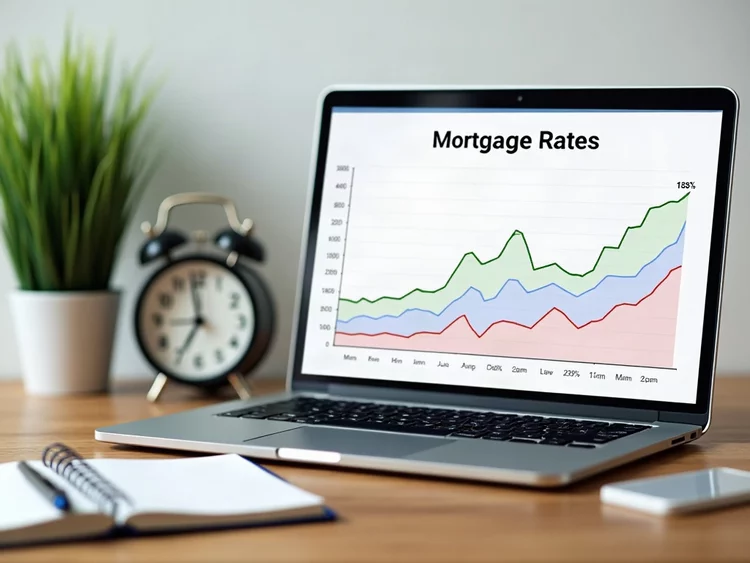
To genuinely grasp the evolution of mortgage rates, visual aids can be incredibly helpful. Interactive charts and tables offer a clear view of how rates have changed over time, specifically focusing on the popular 30-year fixed mortgage rate. This format allows you to not only see the trends but also understand how specific events impacted rates. For more comprehensive insights, consider how economic indicators influence mortgage rates.
For example, you might find a chart showing the correlation between major economic announcements and shifts in mortgage rates. By examining these visuals, you can better appreciate how timing your mortgage decisions is essential. A comprehensive understanding of these historical rates can empower you to make more strategic home financing decisions moving forward.
Key Drivers of Mortgage Rate Fluctuations
The Role of Economic Indicators in Shaping Mortgage Rates
Economic indicators play a significant role in determining mortgage rates. Here are a few vital factors that we've seen influencing rates over the last decade:
- Inflation: As inflation rises, so do interest rates. This directly impacts borrowing costs for homebuyers.
- Federal Reserve Policies: The Federal Reserve's decisions regarding interest rates can lead to fluctuations in mortgage rates.
- Treasury Yields: Mortgage rates often move in tandem with the yields on 10-year Treasuries, which are viewed as a benchmark for these loans.
Understanding these drivers is crucial. For example, if inflation is expected to rise, it may be wise to act quickly if you're considering a mortgage. By staying informed about these factors, you can position yourself more effectively in the housing market.
Understanding Rate Cycles: Impacts and Insights
Rate cycles are another key component to consider. They represent the economic phases that impact borrowing. Here’s what to keep in mind:
- Expansion Phase: During growth, mortgage rates typically rise, increasing borrowing costs.
- Recession Phase: In a downturn, rates may decrease to stimulate the economy, offering potential refinancing opportunities.
- Stagnation Phase: Rates may stabilize as the economy balances itself, creating a more predictable borrowing environment.
Recognizing these cycles helps in understanding the timing of your mortgage decisions. For instance, if we’re in a recession phase, it may be beneficial to refinance your mortgage at lower rates!
Impact of the Federal Reserve on Mortgage Rates
The Federal Reserve's actions directly affect mortgage rates. From adjusting interest rates to implementing monetary policy, their decisions can create a ripple effect throughout the economy. Here are key points to consider:
- Interest Rate Hikes: When the Fed raises rates, it often leads to higher mortgage rates, increasing your borrowing costs.
- Quantitative Easing: This policy can lower rates by increasing the money supply, making mortgages cheaper.
- Market Expectations: Anticipation of Fed actions can influence mortgage rates even before official changes are made.
Being aware of these influences can help you make more informed choices about when to lock in your mortgage rate. As a mortgage education specialist, I encourage you to stay updated on these developments!
Pro Tip
Did you know? Timing your mortgage decisions can significantly impact your overall financial health. Monitor economic indicators like inflation rates and Federal Reserve announcements closely, as these factors can influence mortgage rates and create opportunities for refinancing or locking in favorable terms.
Summarizing Key Insights from Historical Mortgage Rate Trends
Over the past decade, we've seen significant shifts in mortgage rates that have shaped the landscape for homebuyers and refinancers alike. Understanding these trends is crucial for anyone looking to navigate the mortgage process effectively. Key points to consider include:
- The impact of economic factors such as inflation and Federal Reserve policies.
- Fluctuations in mortgage rates across different loan types and regions.
- How timing your mortgage decision is influenced by historical data.
As we've discussed, being aware of these trends can empower you to make informed decisions in your homeownership journey. By keeping a finger on the pulse of historical mortgage rates, you can better anticipate future movements that may affect your borrowing costs.
Encouraging Informed Mortgage Decisions
As we reflect on the trends of the past decade, it's essential to leverage this historical data to make more informed homebuying and refinancing choices. The value of understanding these patterns cannot be overstated, as it plays a critical role in ensuring you get the best deal possible on your mortgage. Here are some ways to encourage informed decisions:
- Stay updated on current mortgage rates and economic indicators.
- Consult with mortgage professionals who can provide tailored advice.
- Consider how historical trends may influence your financial strategy.
By taking these steps, you're setting yourself up for success whether you're a first-time buyer or looking to refinance your existing mortgage. Remember, informed decisions lead to better outcomes!
Next Steps for Prospective Homebuyers and Refinancers
So, what should you do next? If you’re thinking about entering the market as a homebuyer or refinancing, I recommend the following:
- Research and compare current mortgage rates.
- Speak with a mortgage expert to discuss your unique situation.
- Review your financial standing, including your credit score and debt-to-income ratio.
Taking these steps will help you navigate the mortgage landscape more effectively! Don't hesitate to reach out if you have any questions or need further guidance.
Understanding Mortgage Rate Locking: Strategies for Borrowers
One important strategy to consider is mortgage rate locking. This process allows you to secure a specific interest rate for a predetermined period, providing peace of mind in a fluctuating rate environment. Here are key aspects to know about rate locking:
- Rate locks can vary in length, typically ranging from 30 to 60 days.
- Locking in a rate can protect you from potential increases while you finalize your loan.
- Understanding your lender's policies on rate locks is crucial to avoid surprises.
By effectively utilizing rate locking strategies, you can mitigate risks associated with rising rates and ensure a smoother homebuying experience. For further details on how to implement this strategy, feel free to reach out to me at HomeMortgage-Guide.org—I’m here to help!
Frequently Asked Questions About Historical Mortgage Rates
- What were the significant shifts in 30-year fixed mortgage rates from 2013-2023?
- From 2013-2016, rates averaged around 4.0%, rising from previous lows. They stabilized between 3.5%-4.5% from 2017-2019. In 2020, rates dropped below 3.0% due to the pandemic, and then climbed from 2021-2023 due to inflation and economic recovery.
- What economic factors primarily influence mortgage rates?
- Key drivers include inflation (rising inflation typically means higher rates), Federal Reserve policies (adjustments to interest rates and monetary policy), and Treasury yields (mortgage rates often mirror 10-year Treasury yields).
- How do rate cycles impact mortgage decisions?
- Understanding rate cycles (expansion, recession, stagnation) helps in timing mortgage decisions. Rates typically rise during economic expansion, may decrease during a recession to stimulate the economy, and stabilize during stagnation, offering different opportunities for borrowing or refinancing.
- How does the Federal Reserve affect mortgage rates?
- The Federal Reserve influences mortgage rates through interest rate hikes, which can increase borrowing costs, and quantitative easing, which can lower rates by increasing the money supply. Market expectations of future Fed actions also play a significant role.
- What is mortgage rate locking, and why is it important?
- Mortgage rate locking allows borrowers to secure a specific interest rate for a predetermined period (e.g., 30-60 days) while finalizing their loan. This protects against potential rate increases in a fluctuating market, providing peace of mind and a smoother homebuying experience. You can also explore refinance options to decide if it's the right choice for you.
Recap of Key Points
Here is a quick recap of the important points discussed in the article:
- Historical Trends: Mortgage rates have fluctuated significantly over the past decade, influenced by economic factors and global events.
- Economic Indicators: Inflation, Federal Reserve policies, and Treasury yields are key drivers of mortgage rate changes.
- Rate Cycles: Understanding expansion, recession, and stagnation phases can inform better mortgage timing decisions.
- Rate Locking Strategies: Securing a mortgage rate for a specific period can protect against rising rates during loan finalization.
- Informed Decision-Making: Staying updated on market trends and consulting professionals can enhance your mortgage strategy.