
Recovering from financial setbacks like bankruptcy or foreclosure can seem overwhelming. However, understanding your mortgage options can empower you to take the next steps toward homeownership. Whether you're familiar with loans or a first-time buyer, this guide provides essential insights to help you navigate the process with confidence.
What You Will Learn
- FHA loans are accessible just two years after bankruptcy, making them a strong option for rebuilding.
- VA loans offer veterans unique benefits, including no waiting period after bankruptcy discharge.
- USDA loans can be obtained two to three years post-bankruptcy, supporting rural homebuyers.
- Understanding waiting periods helps you plan better; Chapter 7 requires two to four years before approval.
- Collecting essential documents beforehand accelerates the pre-approval process for your mortgage.
- Consulting a mortgage broker can clarify your options and enhance your chances of approval.
- Housing counselors provide valuable resources, including budgeting advice and credit improvement strategies.
Mortgage Options & Waiting Periods After Financial Hardship
Navigating mortgage approval after bankruptcy or foreclosure requires understanding specific loan criteria and waiting periods. This visual summarizes key eligibility and timelines for different mortgage types.
Loan Type Eligibility
- FHA Loans: 2 yrs after bankruptcy
- VA Loans: No waiting period after bankruptcy discharge
- USDA Loans: 2-3 yrs after bankruptcy
- Conventional: 4 yrs after bankruptcy/foreclosure
- Non-QM Loans: More flexible criteria
Waiting Periods Post-Hardship
- Chapter 7 Bankruptcy: 2-4 years
- Chapter 13 Bankruptcy: 1 year (after on-time payments)
- Foreclosure: 3-7 years
Exceptions may apply for extenuating circumstances.
Key Documents for Pre-Approval
- Proof of Income: Pay stubs, tax returns
- Asset Documentation: Bank statements
- Bankruptcy Papers: Discharge documents
- Credit Report: Scores and history
Professional Guidance Options
- Mortgage Brokers: Identify best loan options, compare rates
- Housing Counselors: Free/low-cost advice, budgeting, credit improvement plans
Essential for navigating complexities and improving financial standing.
Understanding Your Mortgage Options After Bankruptcy or Foreclosure
Recovering from bankruptcy or foreclosure can feel daunting, but it's important to know that you still have mortgage options available to you. Whether you're looking to buy a new home or refinance an existing one, understanding the different types of loans can help you navigate this journey with confidence. Let’s dive into the specifics and explore what you need to know!
As you consider your options, remember that each loan type comes with its own eligibility requirements, especially for those who've experienced financial hardships. By familiarizing yourself with these distinctions, you can make informed decisions that align with your financial situation and learn more about understanding mortgages as a beginner.
Eligibility Criteria for Different Loan Types
Many people wonder which loan programs they qualify for after a bankruptcy or foreclosure. Here’s a breakdown of common loan types and their specific eligibility criteria:
- FHA Loans: These loans are particularly favorable for borrowers with lower credit scores and can be available just two years after bankruptcy.
- VA Loans: Designed for veterans, these loans are available without a waiting period after bankruptcy, provided it was discharged.
- USDA Loans: For those in rural areas, USDA loans can be accessed two to three years after bankruptcy.
- Conventional Loans: These usually require a four-year waiting period post-bankruptcy or foreclosure.
- Non-QM Loans: Non-Qualified Mortgage lenders can be more flexible, sometimes offering loans with fewer restrictions.
Each loan type serves a unique purpose and can be tailored to fit your recovery journey. It's essential to assess your specific financial situation to determine which option aligns best with your needs.
Waiting Periods for Approval After Bankruptcy and Foreclosure
Knowing the waiting periods for mortgage approval can help guide your next steps. Here’s what you generally can expect:
- Chapter 7 Bankruptcy: Most lenders require a waiting period of two to four years.
- Chapter 13 Bankruptcy: You may be able to apply for a loan after one year of on-time payments.
- Foreclosure: A waiting period of typically three to seven years depending on the loan type.
It's important to note that exceptions may exist for extenuating circumstances, like job loss or medical issues. Discussing your individual situation with a knowledgeable lender can provide clarity on eligibility.
Understanding FHA Loans and Their Role Post-Bankruptcy
FHA loans can be a lifesaver for those recovering from bankruptcy or foreclosure. With a lower down payment requirement and flexible credit score criteria, these loans are structured to assist borrowers in rebuilding their credit and homeownership dreams.
One of the key benefits of an FHA loan is the ability to qualify just two years after a bankruptcy discharge. This can significantly shorten the time you need to wait to get back on your feet! For more details on this loan type, check out understanding FHA loans basics.
VA Loans for Veterans After Financial Setbacks
Veterans have unique advantages when it comes to securing a mortgage after experiencing bankruptcy or foreclosure. VA loans, for example, do not have a waiting period after bankruptcy, making them an excellent option for eligible veterans.

Moreover, VA loans offer competitive interest rates and do not require private mortgage insurance (PMI), which can save you money in the long run. If you’re a veteran looking to rebuild, this could be a fantastic opportunity!
USDA Loans: Options for Rural Housing After Financial Challenges
If you’re considering moving to a rural area, USDA loans might be the right choice for you. These loans are specifically designed for low- to moderate-income individuals—even those who have faced financial challenges.
Eligibility for USDA loans typically requires a waiting period of two to three years after a bankruptcy, along with income limits and property requirements that promote affordable housing options in eligible rural areas.
Pro Tip
Did you know? Keeping your credit utilization below 30% can significantly boost your credit score, making you more attractive to lenders when applying for a mortgage after bankruptcy or foreclosure. Monitor your credit regularly and make timely payments to improve your financial standing!
Taking Action: Your Path to Mortgage Approval
Preparing for Pre-Approval: What You Need to Know
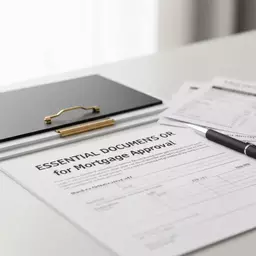
Before diving into the mortgage application process, it's essential to gather all the necessary documents. Being prepared for pre-approval can set you on the right path toward securing your mortgage! Here are some important items to have ready:
- Proof of income (pay stubs, tax returns)
- Bank statements and asset documentation
- Bankruptcy discharge papers (if applicable)
- Credit report and scores
Understanding the pre-approval process is a critical first step in your mortgage journey. This will give you a clearer idea of how much you can borrow and what interest rates you might expect. Plus, it shows potential lenders that you are serious about your home purchase and can be a great way to boost mortgage approval with bad credit!
When to Consult a Mortgage Broker or Lender
Seeking professional guidance can be a game-changer, especially if you're navigating the complexities of mortgages after bankruptcy or foreclosure. A mortgage broker can help you identify the best loan options tailored to your unique situation. They can also:
- Provide insights on various loan programs
- Help you understand lender requirements
- Assist in comparing interest rates and fees

Having a knowledgeable partner in your corner can make the process smoother and less daunting. Remember, they are here to help you find the right fit for your financial situation!
Utilizing Housing Counselors and Their Resources
Housing counselors can be an invaluable resource during your mortgage application process, especially after facing financial difficulties. They offer free or low-cost services to help you understand your options and improve your financial situation. Here are some ways housing counselors can assist you:
- Provide personalized budgeting advice
- Help you create a plan to improve your credit score
- Guide you through the mortgage application process
By leveraging the expertise of a housing counselor, you can gain confidence in your ability to navigate the mortgage landscape effectively. This support can prove essential as you work toward homeownership again!
Frequently Asked Questions (FAQs)
Here are some common questions about obtaining a mortgage after financial hardship:
- How soon can I get an FHA loan after bankruptcy?
You can typically qualify for an FHA loan just two years after a bankruptcy discharge. - Is there a waiting period for VA loans after bankruptcy?
No, VA loans do not have a waiting period after bankruptcy discharge for eligible veterans. - What is the waiting period for USDA loans after bankruptcy?
For USDA loans, the waiting period is usually two to three years after bankruptcy. - How long do I need to wait after a Chapter 7 bankruptcy for a mortgage?
Most lenders require a waiting period of two to four years after a Chapter 7 bankruptcy. - What documents do I need for mortgage pre-approval after a financial setback?
You will need proof of income (pay stubs, tax returns), bank statements, bankruptcy discharge papers (if applicable), and your credit report and scores. - Can a mortgage broker help me after bankruptcy or foreclosure?
Yes, a mortgage broker can help you identify the best loan options, understand lender requirements, and compare interest rates and fees tailored to your unique situation. - What services do housing counselors provide?
Housing counselors offer free or low-cost services such as personalized budgeting advice, credit improvement plans, and guidance through the mortgage application process. - Are there exceptions to waiting periods for mortgages after hardship?
Yes, exceptions may apply for extenuating circumstances like job loss or medical issues. Discussing your individual situation with a lender is recommended.
Summary and Key Takeaways
As we wrap up this section, it’s vital to remember that understanding your mortgage options and improving your credit are crucial steps toward successful approval. Gathering your documentation early, consulting with a mortgage broker, and utilizing housing counselors can significantly enhance your chances of securing the financing you need. Together, these actions can set you on the path to achieving your homeownership dreams!
Recap of Key Points
Here is a quick recap of the important points discussed in the article:
- Explore various mortgage options available after bankruptcy or foreclosure, including FHA, VA, USDA, and Conventional loans.
- Understand eligibility criteria for different loan types, especially regarding waiting periods post-bankruptcy or foreclosure.
- Prepare necessary documentation for pre-approval, including proof of income, bank statements, and credit reports.
- Consult with mortgage brokers or lenders to identify the best loan options tailored to your unique situation.
- Utilize housing counselors for personalized guidance and support throughout the mortgage application process.